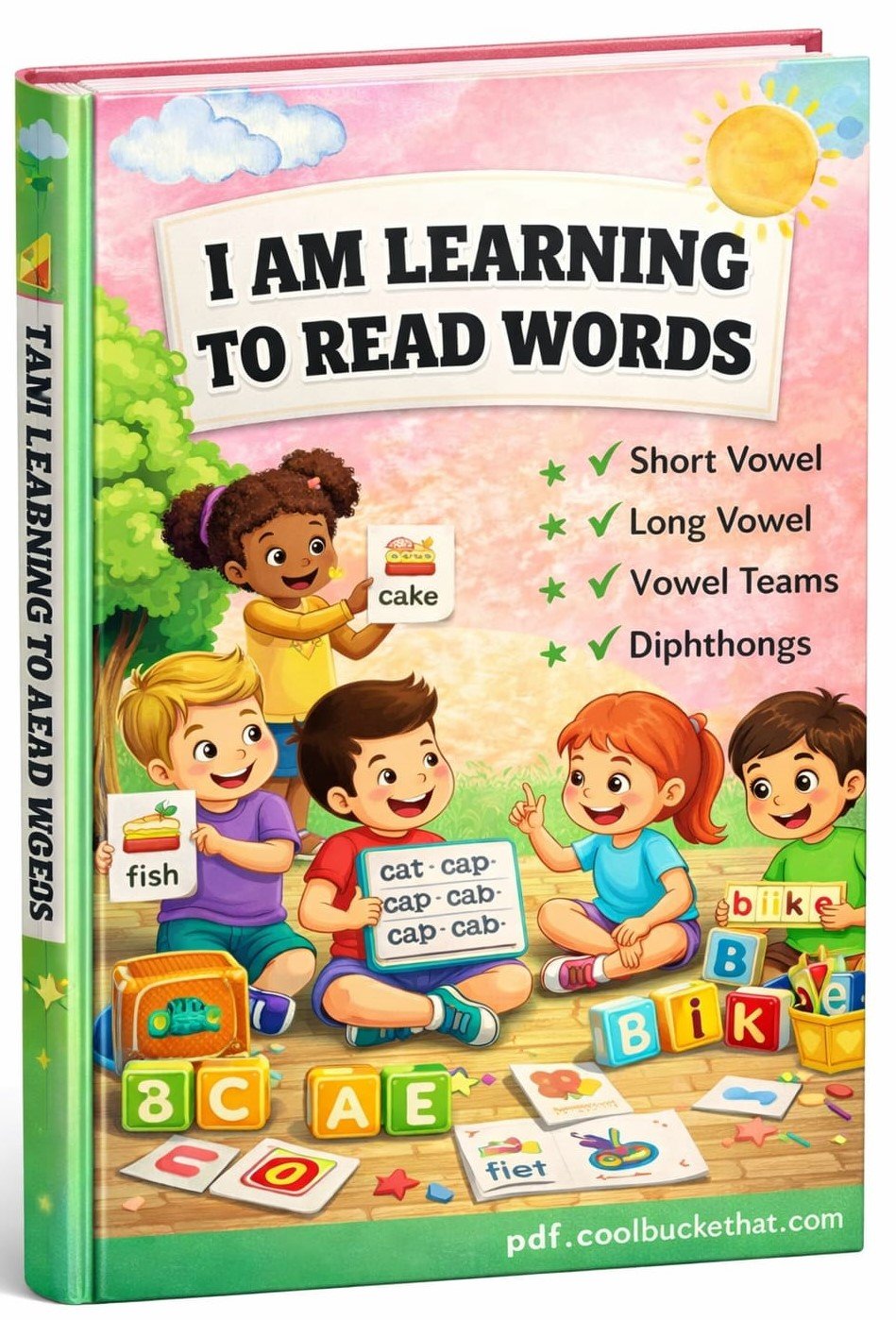
I am Learning to Read Words
I am Learning to Read Words is an exciting and important step in every child’s journey toward literacy. Reading is not just about recognizing letters—it is about understanding meaning, building confidence, and opening the door to knowledge and imagination. When children begin learning to read words, they take their first steps into a world filled with stories, ideas, and endless possibilities.
Learning to read words starts with recognizing letters and the sounds they make. This process, often called phonics, helps learners connect letters with their corresponding sounds. For example, understanding that the letter “B” makes a “buh” sound allows children to form simple words like “bat” or “ball.” As learners practice more, they begin to blend sounds together, making it easier to read full words and short sentences.
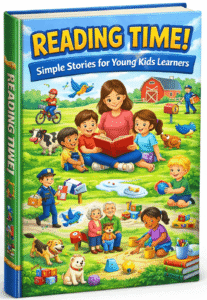
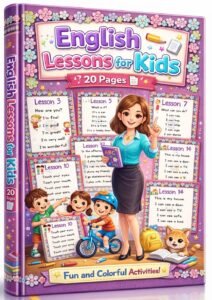
Another key part of learning to read words is repetition. When children repeatedly see and read the same words, those words become familiar. This helps improve reading speed and confidence. Simple activities like reading short stories, flashcards, or labeling everyday objects can make this process fun and effective. Parents and teachers play an important role by encouraging regular reading habits and providing positive feedback.
Vocabulary building is also essential in the journey of learning to read words. The more words a learner knows, the easier it becomes to understand what they read. Introducing new words gradually, along with pictures or real-life examples, helps learners remember them better. Storybooks, especially those with colorful illustrations, are a great way to expand vocabulary while keeping children engaged.
In today’s digital age, there are many tools available to support early readers. Educational apps, audiobooks, and interactive games can make learning to read words more enjoyable and interactive. However, traditional reading methods like bedtime stories and classroom learning remain just as important for building strong reading foundations.
Patience and consistency are key when teaching someone who is learning to read. Every learner progresses at their own pace, and it is important to celebrate small achievements along the way. Encouragement helps build confidence, which motivates learners to keep improving.
In conclusion, I am Learning to Read Words is more than just a statement—it is a milestone in personal growth and education. With the right support, tools, and practice, anyone can develop strong reading skills. This journey not only improves language abilities but also fosters creativity, imagination, and a lifelong love for learning.